

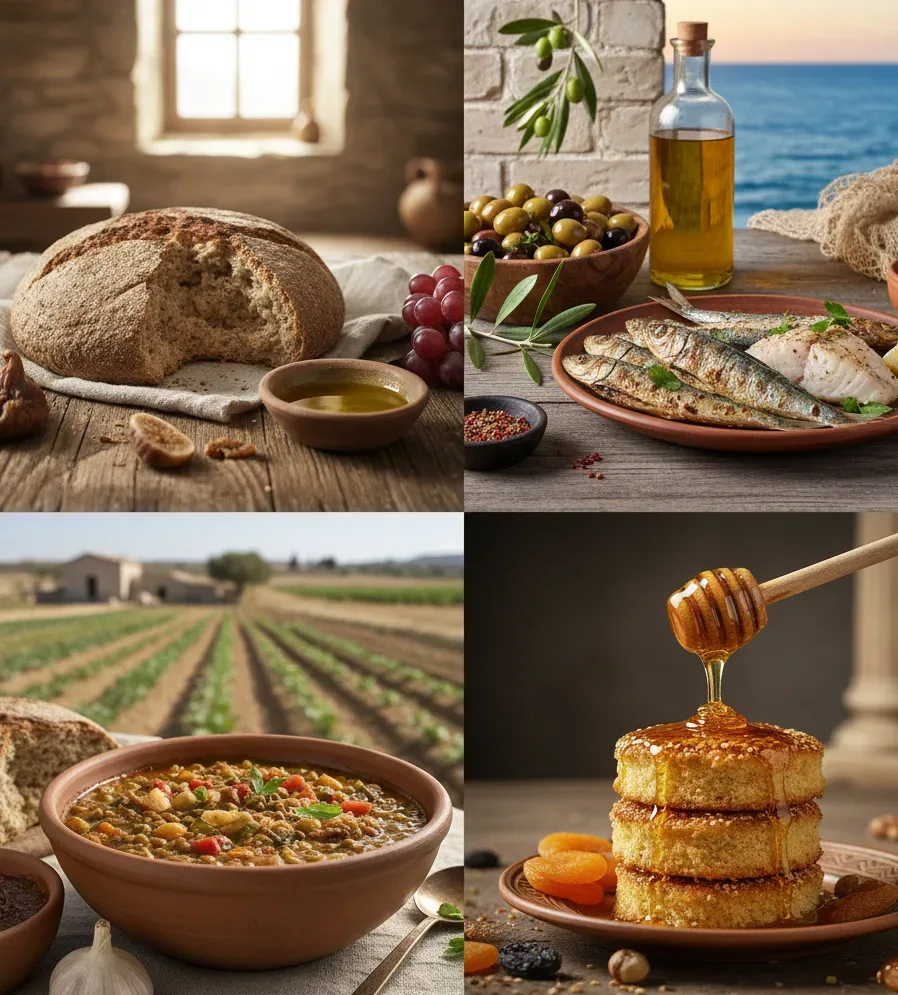
Ancient Greek food was more than just sustenance. It shaped daily life, culture, and even philosophy. Meals were simple, seasonal, and deeply connected to nature. Eating like an ancient Greek meant respecting balance, moderation, and community. In this guide, we explore five iconic dishes that defined ancient Greek foods and continue to inspire modern diets.
Food in ancient Greece was a reflection of values. Greeks believed that what you ate shaped your character and health. Seasonal ingredients like grains, vegetables, and seafood were staples. Overindulgence was discouraged, and meals often mirrored social and spiritual rituals. The famous symposium combined dining with debate, poetry, and philosophy, making eating a cultural experience.
To understand daily habits, explore ancient Greek daily life. Bread, olives, wine, and vegetables were foundation foods. Meat was rare and often ceremonial. Even athletes relied on plant-based dishes for energy and stamina. These practices made food both practical and symbolic in ancient society.
Eat Like an Ancient: 5 Core Dishes of Greek Identity
Eating in ancient Greece connected people to land, sea, and gods. Each meal carried meaning beyond nutrition. Food reflected geography, economy, and spirituality. Five dishes, in particular, formed the backbone of Greek diet and culture, shaping both daily life and communal rituals. These staples continue to influence Mediterranean cuisine today.
-
Barley Bread (Maiza)
Barley bread was the most common grain consumed. Wheat was expensive and often imported, but barley grew well in rocky soil. Maiza was dense, filling, and often softened with olive oil or wine. Farmers, soldiers, and philosophers all relied on it for energy. Bread also had a social role, as grinding and baking were communal activities.
To see how bread was prepared and shared, explore ancient Greek households. The process was as important as the food itself, reflecting cooperation and daily life rhythms. Bread was both nutrition and tradition, linking community and sustenance.
-
Olives and Olive Oil
Olives were sacred, practical, and central to Greek identity. Olive oil flavored food, fueled lamps, and was used in medicine. It also played a role in rituals, particularly offerings to gods like Athena. Every meal included olives or olive oil, symbolizing health, prosperity, and wisdom.
Athletes rubbed themselves with oil before competitions, and temples received oil as offerings. The olive trade spread Greek influence across the Mediterranean. The importance of olives in Athenian culture is captured in the myth of Athena and Athens, which links food to identity and divine favor.
-
Fish and Seafood
Seafood was a staple for coastal Greeks. Sardines, anchovies, and tuna were common, while fresh fish markets thrived in cities like Athens. Fish was prepared grilled, salted, or dried, often with flavorful sauces. Seafood was affordable for some, luxurious for others, and played a major role in social and economic life.
Ports shaped both diet and trade, connecting Greece with neighboring civilizations. Understanding the impact of seafood on commerce and daily life is easier through ancient Greek trade and economy. Fish reflected not only nutrition but also the sea’s cultural and economic importance.
-
Pulses and Vegetables
Lentils, chickpeas, and beans were primary protein sources. Vegetables such as onions, garlic, and leafy greens were eaten fresh or in stews. Meat was rare, mostly reserved for religious sacrifices. Pulses and vegetables provided affordable, sustaining nutrition and reflected the frugality valued by philosophers and citizens alike.
Agricultural cycles influenced diets and festivals. Seasonal eating connected humans to the land. The practices around growing and consuming plant-based foods are explained in detail at ancient Greek agriculture. This shows how food, farming, and society were deeply intertwined.
-
Honey-Based Desserts
Sugar was unknown in ancient Greece, so honey was the main sweetener. Simple desserts like honey cakes were often offered to gods during ceremonies. Dried fruits and sesame seeds added flavor and nutrition. These treats were part of celebrations and religious rituals rather than daily consumption.
Honey symbolized purity, immortality, and divine favor. Beekeeping was a respected craft, and honey-based foods highlighted the spiritual side of meals. Religious and ceremonial aspects of food are explored through ancient Greek rituals and offerings, showing how sweets carried meaning beyond taste.
The Role of Wine
Wine accompanied almost every meal, always diluted with water. Drinking it undiluted was seen as uncivilized. Wine promoted social bonding, discussion, and storytelling. The symposium, a gathering of friends and philosophers, mixed food, wine, and intellectual exchange, highlighting the cultural role of meals.
Learn more about this tradition in the ancient Greek symposium. Wine and food together shaped daily life, intellectual activity, and social structure, reinforcing the cultural importance of balanced eating.
Lessons for Modern Eaters
Ancient Greek meals valued simplicity, balance, and community. Seasonal, plant-based ingredients formed the core of the diet. Overindulgence was discouraged, emphasizing moderation and mindful eating. Modern diets can benefit from these principles, improving health and sustainability.
Experiencing ancient Greek food culture today can deepen appreciation of history and tradition. Interactive exhibits, authentic reconstructions, and storytelling at Athens Living Museum provide a tangible way to connect with the past and its lessons for modern life.
Closing Thoughts
The ancient Greek table was humble, yet profound. Five dishes—barley bread, olives, seafood, pulses, and honey desserts, nourished both body and mind. They reflected community, spirituality, and practical living. Their legacy continues to influence Mediterranean cuisine and modern healthy eating habits.
Rediscovering these foods allows a deeper connection with history. Experiencing authentic flavors, learning preparation methods, and understanding their cultural significance brings ancient Greece to life. Dive into this rich heritage and explore how ancient eating traditions remain relevant today.
Frequently Asked Questions
What did ancient Greeks eat daily?
Barley bread, olives, vegetables, and pulses were staples. Fish was common near the coast in ancient Greek foods, while meat was reserved for festivals.
Was ancient Greek food healthy?
Yes. The diet emphasized whole grains, vegetables, olive oil, and moderation, closely aligning with modern healthy eating practices.
Why was olive oil so important?
It was used for cooking, medicine, religious offerings, and trade, symbolizing health, wealth, and wisdom.
Can we follow an ancient Greek diet today?
Yes. Emphasizing plant-based foods, olive oil, and seasonal ingredients reflects ancient Greek dietary wisdom.
Where can I learn more about ancient Greek food culture?
Interactive exhibits at Athens Living Museum provide insights into daily life, food preparation, and rituals of ancient Greece.
