

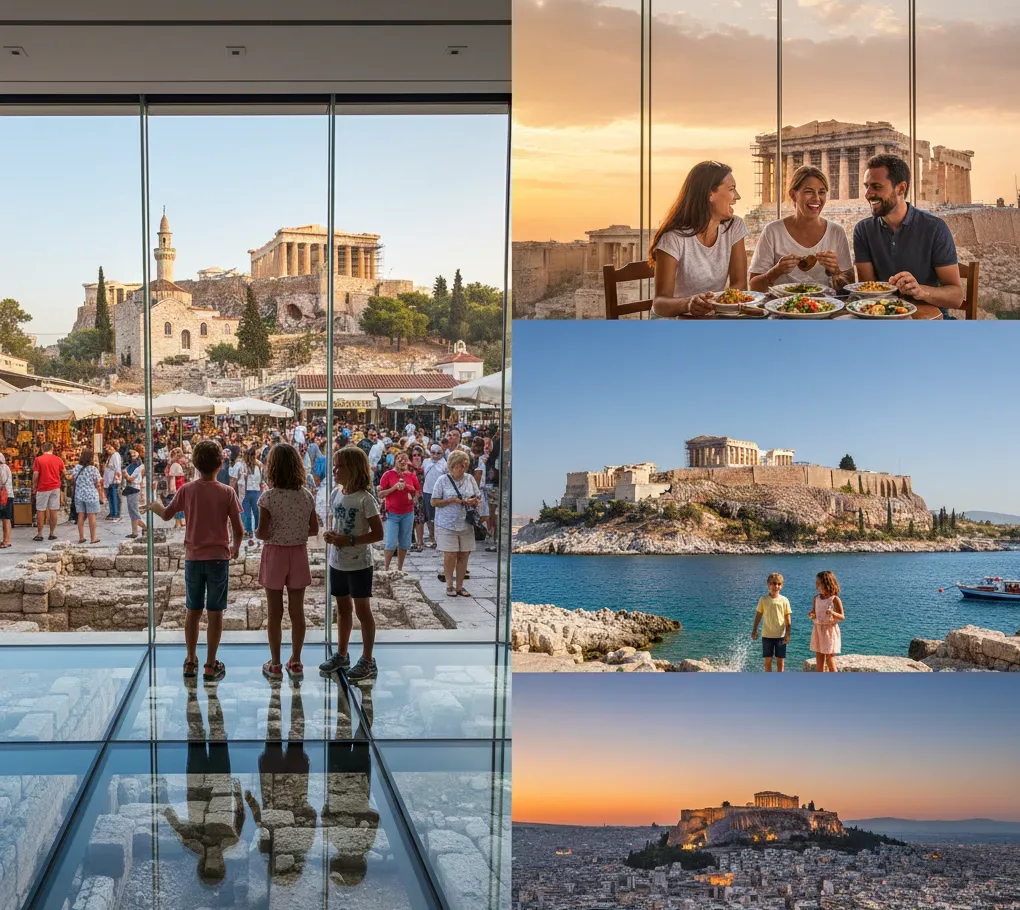
Planning the perfect seventy-two-hour stay in the Greek capital requires a balance between visiting world-renowned archaeological sites and discovering the city’s hidden cultural gems. Most travelers arrive with a checklist of ancient ruins but often leave wishing they had found more ways to connect with the local spirit. A well-designed itinerary ensures you see the landmarks without succumbing to “museum fatigue.”
During your short stay, the Athens Living Museum serves as a vital hub for interactive history. Instead of just observing the past from a distance, you can participate in it through theatrical storytelling and traditional crafts. This approach turns a standard vacation into a deep dive into the myths and customs that shaped Western civilization, making every hour of your trip count.
What to do in Athens for 3 days?
Three days is the ideal amount of time to capture the essence of Athens, provided you move beyond the typical tourist traps. Your first day should always center on the foundational sites of the city. Start with an early morning hike to the Acropolis to beat the heat and the crowds, taking in the Parthenon and the Erechtheion before the sun reaches its peak.
By the afternoon of day one, your mind will be full of history but your body might need a break from the sun. This is the perfect time for a theatrical weaving workshop where you can sit in a cool environment and engage your hands. Learning the myth of Arachne while creating an “Evil Eye” protector gives you a tactile connection to the stories you heard on the hill.
Day One: Foundations and Folklore
On your first day, after visiting the Acropolis, descend into the historic streets of Anafiotika. This tiny neighborhood feels like a Cycladic island hidden in the heart of the city. It offers a quiet, scenic escape before you head toward the modern museum district for a deeper look at the artifacts recovered from the ruins.
The late afternoon is best spent in a climate-controlled setting. Engaging with a craft like weaving provides a meditative pause in an otherwise busy travel schedule. Not only do you learn a new skill, but you also participate in a tradition that has remained virtually unchanged for thousands of years in the Mediterranean basin.
Day Two: Mysteries and Hidden Corridors
On your second day, explore the vibrant neighborhoods of Plaka and Monastiraki. These areas are perfect for finding local artisans and enjoying a slow Greek coffee in a shaded square. You can browse the flea markets for antique coins or handmade leather sandals, soaking in the eclectic energy of the modern city center.
As the evening approaches, transition from casual exploration to a high-stakes adventure. Solving a murder mystery game set in the 5th century BC adds an intellectual thrill to your second night in the city. You will step into the sandals of a detective and use historical clues to crack a case involving the fictional police officer Nikarchos.
Day Three: Gastronomy and Night Views
For your final day, consider heading toward the coast or visiting the National Archaeological Museum. However, the best way to wrap up a short trip is by indulging in the sensory delights of the region. A theatrical authentic Greek food tour allows you to taste flavors from across the country in a single sitting.
This culinary journey is more than just a dinner; it is a geographic exploration of Greece through five signature dishes. From the rugged mountains to the volcanic soil of the islands, each course tells a story of survival and celebration. It is a sophisticated way to end your three-day journey, leaving you with a full heart and a deeper understanding of Greek hospitality.
Immersive Cultural Tours and Panoramic Theatre
If you prefer to see the city’s monuments under the moonlight, you can swap a standard walking tour for a more dramatic alternative. Taking night tours in Athens via a comfortable bus allows you to see the illuminated landmarks while professional actors perform ancient plays. It is a seamless blend of sightseeing and art.
Strategic planning is essential when you have limited time. By grouping your activities by neighborhood and choosing experiences that offer “edutainment,” you avoid the burnout that comes with passive sightseeing. The combination of tactile workshops, interactive mysteries, and panoramic theater ensures that your seventy-two hours are packed with variety and genuine emotion.
Athens is a city that reveals itself in layers. On day one, you see the stones; on day two, you learn the myths; and by day three, you taste the tradition. This three-stage approach ensures that you leave the city not just with photos, but with a newfound appreciation for the enduring legacy of the ancient Athenians.
Maximize your short stay by choosing activities that provide a deep cultural impact in a short amount of time. Whether you are interrogating suspects in an ancient crime or weaving your own souvenir, these moments will be the highlights of your trip. Book your experiences today to secure your spot in the most engaging narrative Athens has to offer.
FAQ:
Is three days enough to see the main sites in Athens?
Yes, three days allows you to visit the Acropolis, the Acropolis Museum, the Ancient Agora, and several neighborhoods. It also gives you enough time to include specialized experiences like a weaving workshop or an interactive theatre show, which provide a more rounded view of the culture.
How should I get around the city during a short stay?
The Metro is very efficient for reaching the main hubs, but most central areas are walkable. For a more relaxing evening experience, the “Theatre on the Move” bus tour is an excellent way to see the city’s major landmarks comfortably without the need for additional walking or navigating public transport.
Can I fit the Living Museum experiences into a tight schedule?
Absolutely. The activities are timed perfectly for a traveler’s schedule: workshops are in the early afternoon (1:00 PM), the mystery game is a pre-dinner activity (6:00 PM), and the theatrical dinner or night tour serves as your evening entertainment (8:00 PM or 8:30 PM).
Do I need to book my museum tickets in advance?
For the major archaeological sites, booking online is highly recommended to skip the long lines. For the specialized experiences at the Athens Living Museum, pre-booking is essential as group sizes are kept small to ensure an intimate and interactive environment for all guests.
What is the best neighborhood to stay in for a 3-day trip?
Staying in Plaka, Koukaki, or Psirri puts you within walking distance of almost everything. These neighborhoods are close to the Acropolis and the Athens Living Museum, allowing you to minimize travel time and maximize your time spent enjoying the city’s unique offerings.
